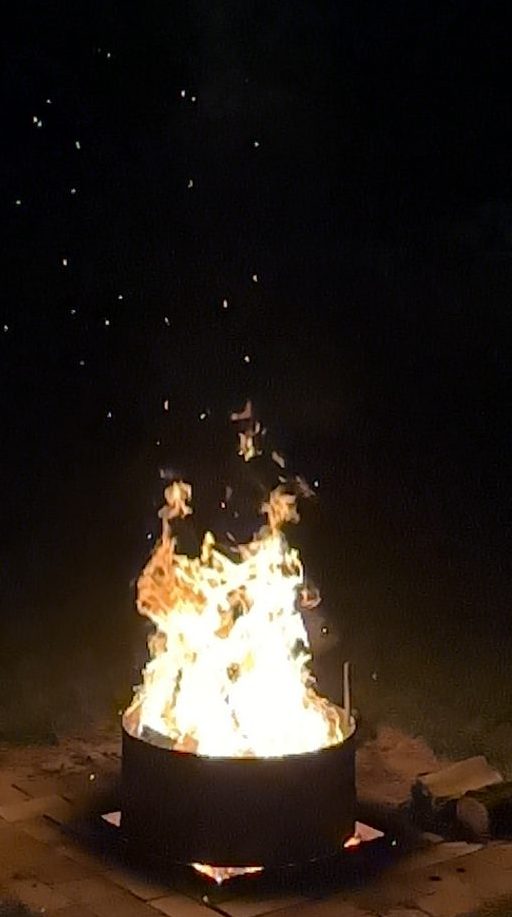
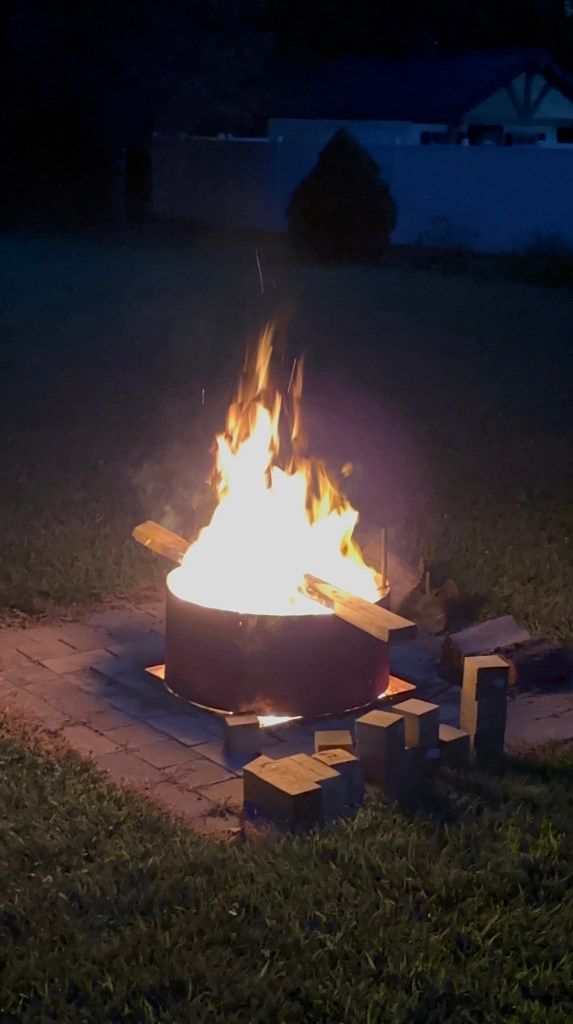
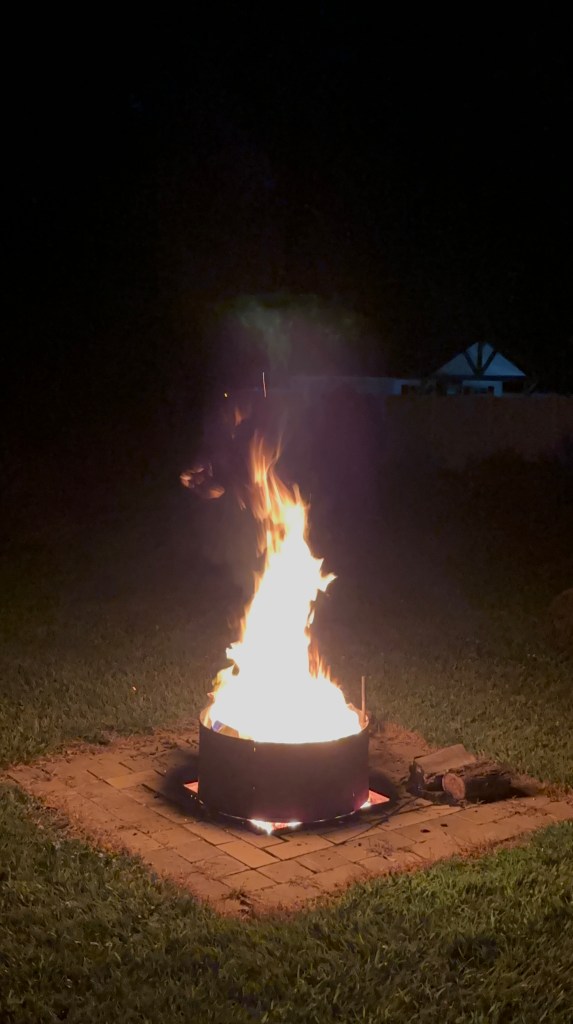
Bonfires are a fantastic way to bring families together. Larger than campfires, they create a perfect setting for outdoor fun and lasting memories.
In this post, we’ll cover:
– Safety Tips
– Building your bonfire
– Kid-friendly activities
– Tasty snacks
– Environmental considerations
– Badges for scouting
Whether you’re new to bonfires or looking for fresh ideas, this guide will help you create memorable experiences for your family. Let’s get started!
Safety First
When it comes to family bonfires, safety is our top priority. Follow these guidelines to ensure a fun and worry-free experience:
- Adult supervision: An adult should always be present to monitor the fire and children’s activities.
- Location: Choose a clear area away from structures, trees, and dry vegetation. Check local regulations for permitted bonfire locations.
- Fire pit: Use a designated fire pit or create a safe perimeter with rocks.
- Water nearby: Keep a bucket of water or hose close by in case of emergencies.
- Weather check: Avoid windy conditions that could spread embers.
- Proper clothing: Wear appropriate clothing and closed-toe shoes.
- Teach fire safety: Explain fire safety rules to children before starting.
- Extinguishing: Properly extinguish the fire before leaving the area.
Remember, a safe bonfire is a fun bonfire. Following these simple rules will create a secure environment for lasting family memories.
Building Your Bonfire
Creating the perfect family bonfire is easy with these simple steps:
- Gather materials: • Tinder: Dry leaves, newspaper, or small twigs • Kindling: Small sticks and branches • Fuel: Larger logs
- Prepare the area: • Clear a circular space, removing any flammable debris • If not using a fire pit, create a ring with rocks
- Arrange the fire: • Place tinder in the center • Build a teepee of kindling around the tinder • Lean larger logs against the kindling, leaving gaps for air
- Light the fire: • Ignite the tinder from several sides • Gently blow on the base to provide oxygen
- Maintain the fire: • Add fuel logs as needed • Rearrange logs to ensure proper airflow
Remember to keep your fire a manageable size for family safety and enjoyment.
Kid-friendly Bonfire Activities
Keep the family entertained with these fun bonfire activities:
- Storytelling: • Take turns telling spooky stories or family legends • Create a group story where each person adds a sentence
- Campfire songs: • Teach classic campfire songs like “She’ll Be Coming ‘Round the Mountain” • Have a family sing-along with favorite tunes
- Shadow puppets: • Use hands to create animal shadows on a nearby surface • Tell stories using shadow puppets
- Stargazing: • Identify constellations • Use a stargazing app for easy star and planet spotting
- Bonfire games: • “I Spy” using objects lit by the fire • “20 Questions” with a nature theme
- Nature art: • Collect leaves or twigs to make fire-side art • Draw in the sand or dirt around the bonfire
- Marshmallow roasting contest: • Who can achieve the perfect golden-brown marshmallow?
Remember to adjust activities based on your children’s ages and interests. Always prioritize safety around the fire.
These are some of the songs I know from when I went to Day Camp as a kid.
Tasty Bonfire Snacks
No bonfire is complete without delicious treats. Try these easy, kid-friendly snacks:
- Classic S’mores: • Graham crackers, chocolate, and roasted marshmallows • Tip: Try different chocolate varieties for new flavors
- Campfire Cones: • Fill ice cream cones with fruit and chocolate chips • Wrap in foil and warm near the fire
- Bonfire Bananas: • Slice bananas in their peels, add chocolate and marshmallows • Wrap in foil and heat until melted
- Roasted Hot Dogs: • Use long skewers for safe roasting • Offer various toppings for a hot dog bar
- Popcorn in a Pan: • Shake kernels in a covered pan over the fire • Season with salt, butter, or cinnamon sugar
- Grilled Fruit Skewers: • Thread pineapple, peaches, and strawberries on skewers • Grill briefly for a caramelized treat
- Campfire Nachos: • Layer chips, cheese, and toppings in a foil pan • Heat until cheese melts
Remember to bring plenty of water and healthier options like cut veggies or trail mix to balance the treats.
Environmental Considerations
Enjoying a family bonfire doesn’t have to come at nature’s expense. Follow these tips to minimize your environmental impact:
- Choose the right location: • Use established fire pits when available • Avoid areas with sensitive vegetation
- Use proper firewood: • Burn only local, dry wood to prevent the spreading of invasive species • Avoid burning treated wood or trash
- Keep it small: • A smaller fire uses less wood and is easier to control
- Leave no trace: • Pack out all trash, including food scraps • Don’t burn trash in the fire
- Extinguish properly: • Douse the fire completely with water • Stir the ashes and douse again
- Respect wildlife: • Keep food secure to avoid attracting animals • Maintain a safe distance from wildlife habitats
- Follow local regulations: • Check for fire bans or restrictions in your area • Obtain necessary permits if required
Craft
Here is a video on making your own indoor safe bonfire for kids.
Earning Scout Badges with Bonfires
Bonfires offer excellent opportunities for both Boy Scouts and Girl Scouts to earn badges. Here’s how your scouting adventure can align with bonfire activities:
-Brownies (grades 2-3)
Outdoor Adventurer – Learn a camp skill
Outdoor Art Creator – Dance or make music outdoors
-Junior (grades 4-5)
Camper – Gain a new camping skill
-Cadette (grades 6-8)
Primitive Camper – Learn a new primitive camping skill
-Ambassador (grades 11-12)
Survival Camper – Learn a survival camp skill
Boy Scouts:
- Firem’n Chit: Learn and demonstrate fire safety and building skills.
- Camping Merit Badge: Practice outdoor cooking and fire management.
- Wilderness Survival Merit Badge: Use fire-starting techniques in outdoor scenarios.
 Family Activities